There is no translation available.

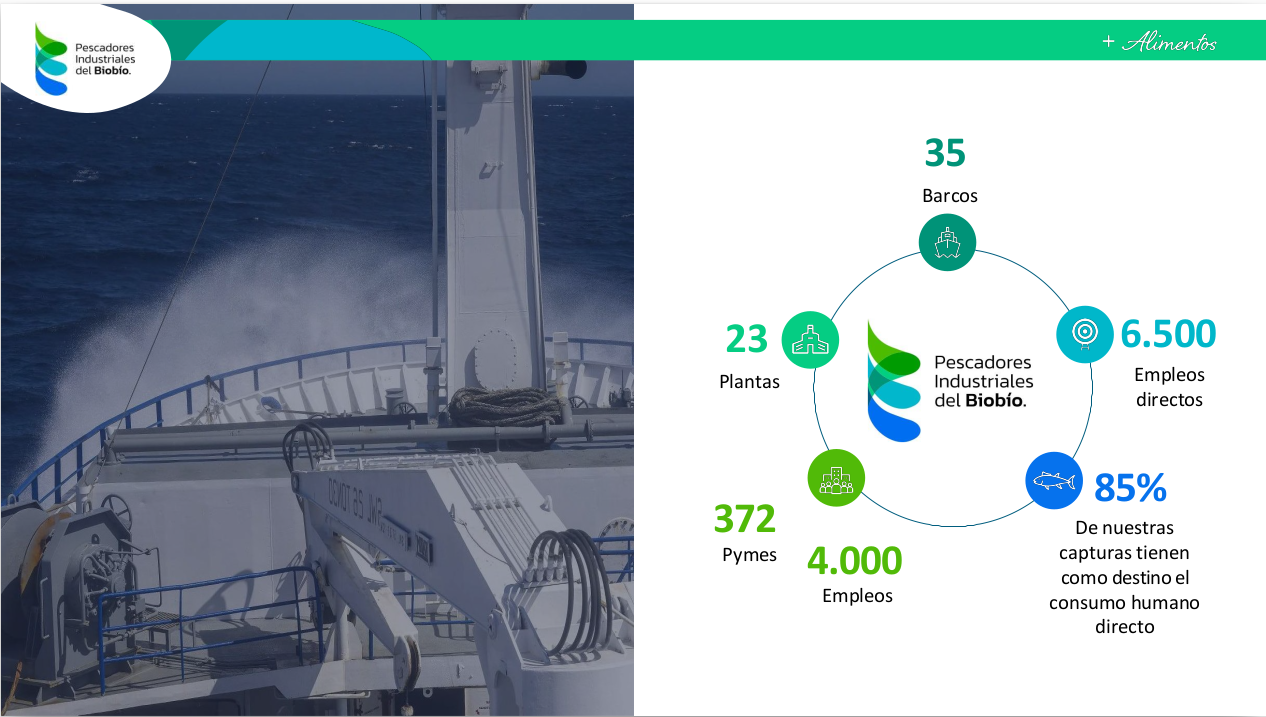
   Chile's Ministry of the Environment has a Strategy for Odor Management that includes sector-specific regulations, prioritizing industries like fishing.

   In response, Pescadores Industriales del Biobío has established four key actions: providing technical input for regulations, developing best practices, implementing advanced odor control technologies, and engaging with local communities. Effective odor management requires both technological solutions and continuous monitoring of operational practices. Collaboration between the public and private sectors has been crucial in shaping regulations that consider the unique characteristics of fishmeal and fish oil production.

M. Jamett.

Pescadores Industriales del Biobío
There is no translation available.

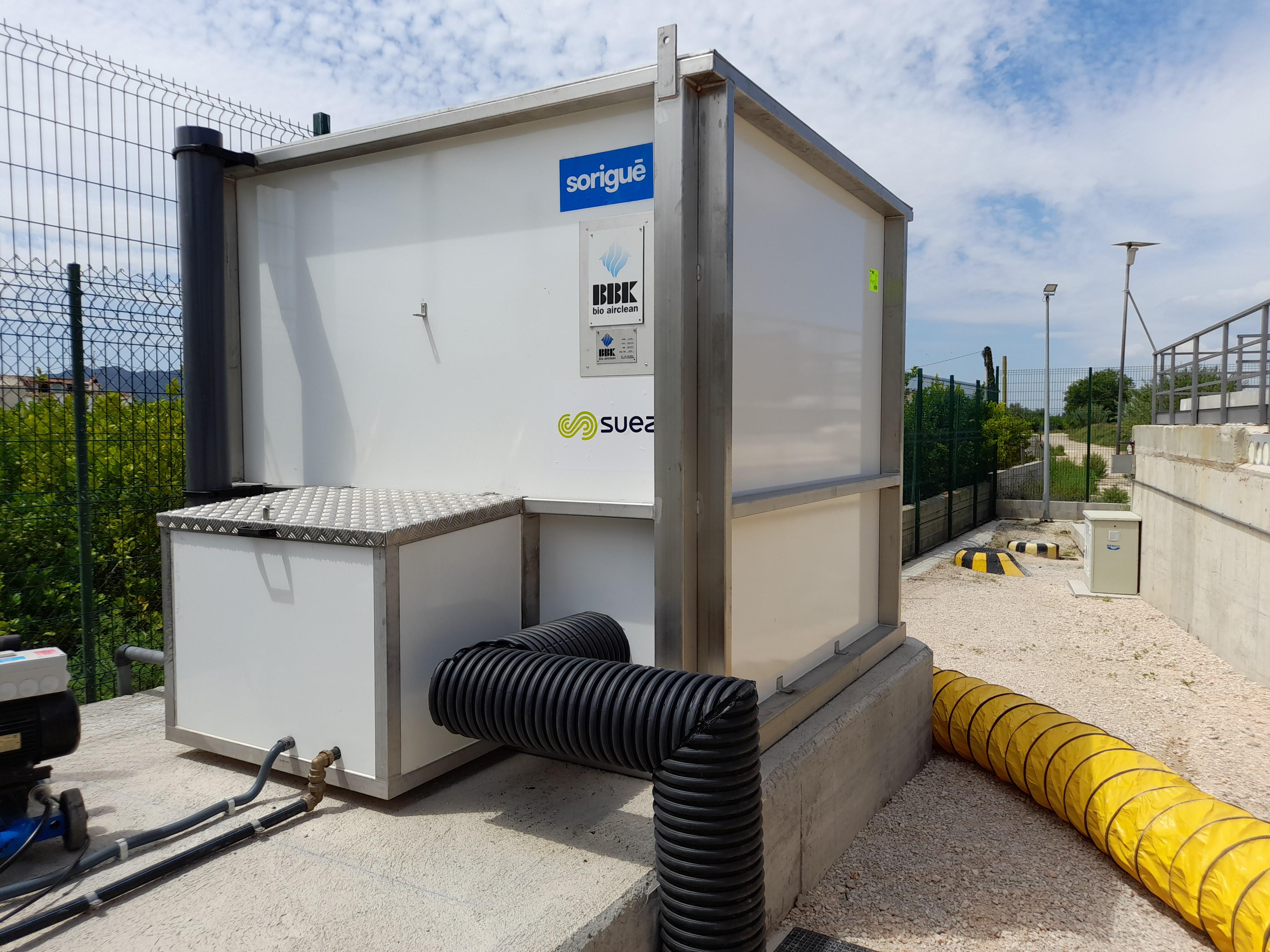
   The Biocassette system was implemented in 2023 at a Murcia East WWTP pumping station to reduce gas emissions in unitary sewage systems, especially in areas with extreme weather conditions.

   This plug-and-play biofiltration equipment effectively removes VOCs, hydrogen sulfide, and ammonia with low water and electricity consumption. Its compact, modular design and high-efficiency inorganic bio-media ensure a long service life (4-5 years) and stable operation. This system presents a sustainable alternative to traditional deodorization technologies, offering efficient and reliable odor treatment.  

R. Egeaa, F.J. Breisb, Gas Treatment SUEZ Air Quality & Climatec

aÁrea de Planificación, Proyectos y Obras (EMUASA), Plaza Circular 9, C.P.: 30008
bJefe de Grupo Agua Zona Sur. Acsa, Obras e Infraestructuras S.A.U., Parque Empresarial Cortijo del Conde, C/Acequia del Corón 3, 18015 Granada
cSUEZ Smart Environmental Solutions Spain, S.L.U., Parque científico de Alicante, Zona ampliación del Campus, Nave 6, 03690 Sant Vicent del Raspeig (Alicante)
* ramon.egea@emuasa.es

There is no translation available.

The Odour Group (GO) of the Spanish Association of Water Supply and Sanitation (AEAS) is a very active group within this association. This group has been working for several years on the results of a survey designed to assess the cost of odour management in WWTPs and sanitation networks serving more than 10,000 equivalent inhabitants in Spain. Finally, after multiple coordination meetings over the past year, this much-awaited study on the state of odour management in Spain's urban wastewater infrastructure has been published.

The aim of this study, based on a similar one carried out by WEF a few years ago, was to evaluate the different aspects related to the cost of odour management. This evaluation was carried out through the analysis of 400 responses received from operators and managers of plants, in which they were asked for data such as the odour control systems used, operational and maintenance costs, the economic cost of managing odour-related incidents, and design costs.

Więcej artykułów…

All the content here under Creative Commons license