Another year is drawing to a close, and it's time to reflect on what has happened this year in the field of odour management. As many of you who have been following us for years already know, we traditionally set aside a small moment in our daily schedule to compile this summary, which also helps us take a step back and assess where to focus our efforts in the year ahead.
Here’s our roundup of the key news in our field from this year. These may not be the most significant stories for other odour professionals. In fact, you’re always welcome to share any other important news in the comments section that we may have missed. For instance, when it comes to odour regulations and standards, we track several countries around the world, but the world is vast, and many things slip under our radar. So, let's move on to the 2024 news recap.
January commenced with the important news of the publication of the best available techniques (BAT) conclusion for the slaughterhouses, animal by-products and/or edible co-products industries. This BREF brought several innovations regarding odours, with one of the most significant being the imposition of emission levels associated with BAT (BAT-AEL) for channelled emissions to air of odour from rendering, fat melting, blood and/or feather processing. This BREF also applies to channelled emissions to air of odour from fishmeal and fish oil production.
This month, InterCinD announced the Call to participate in the interlaboratory annual proficiency test for olfactometry based on EN 13725:2022.
Also in January, the AIR TALKS 2024, organised by the Clean Air Society for Australia and New Zealand (CASANZ), were announced. This online global event brought together over 50 speakers from 13 countries from February 19 to March 1.
In February, we opened the Call for abstracts for ODORA24. Putting together this conference took us a whole year, but we will speak later about it.
Also in February, our parent company, Ambiente et Odora, announced its role as the gold sponsor of the Air & Waste Management Association Odour Management Conference: Embracing Global Perspectives, which happened in Toronto, Canada, from May 14 to 16.
This month, ASTM published the revision of the ASTM E3313 Standard for Communication of Assessor and Panel Performance. Also, in February, the Water Environment Association of Texas (WEAT) announced the only conference on odour impact management of wastewater collection systems that we know of: The 2024 WEAT Collections Systems and Odor & Corrosion Specialty Conference, scheduled from May 20 to 22.
The last thing that happened in February was the announcement of the Olfasense team's annual Proficiency Test for Olfactometry based on EN 13725:2022.
In March, the Australian company Air Environment announced their new product: Plumemapper. This tool streamlines field surveys, replacing traditional pen-and-paper methods with mobile and desktop platforms.
In April, the preliminary program of the 10th Odours and Air Emissions Conference 2024 was published. This conference took place in Hobart, Australia, from August 25 to 28 and was co-hosted by The Clean Air Society of Australia and Zealand (CASANZ) and the International Water Association (IWA). The event took place in conjunction with the 27th CASANZ International Clean Air and Environment Conference. We will get to that later.
In May, we analysed the provisional agreement on the new Air Quality (AQ) Directive approved by the European Parliament. Most things have stayed the same in the final published text of the new European Air Quality Directive in November and implemented in the 32 countries under the European Environmental Agency (EEA) umbrella.
The 2024 Olfasense Odour Workshop on Product and Material Testing was held in May.
Also in May we attended the Air & Waste Management Association Odour Management Conference: Embracing Global Perspectives, which happened in Toronto, Canada, from May 14 to 16. This event was a resounding success with attendees from all over the world coming to Toronto to learn more about odour emission management in the field of waste management. This was the A&WMA's first speciality conference on the topic of odour science if we did not count an event held together with the WEF many years ago.
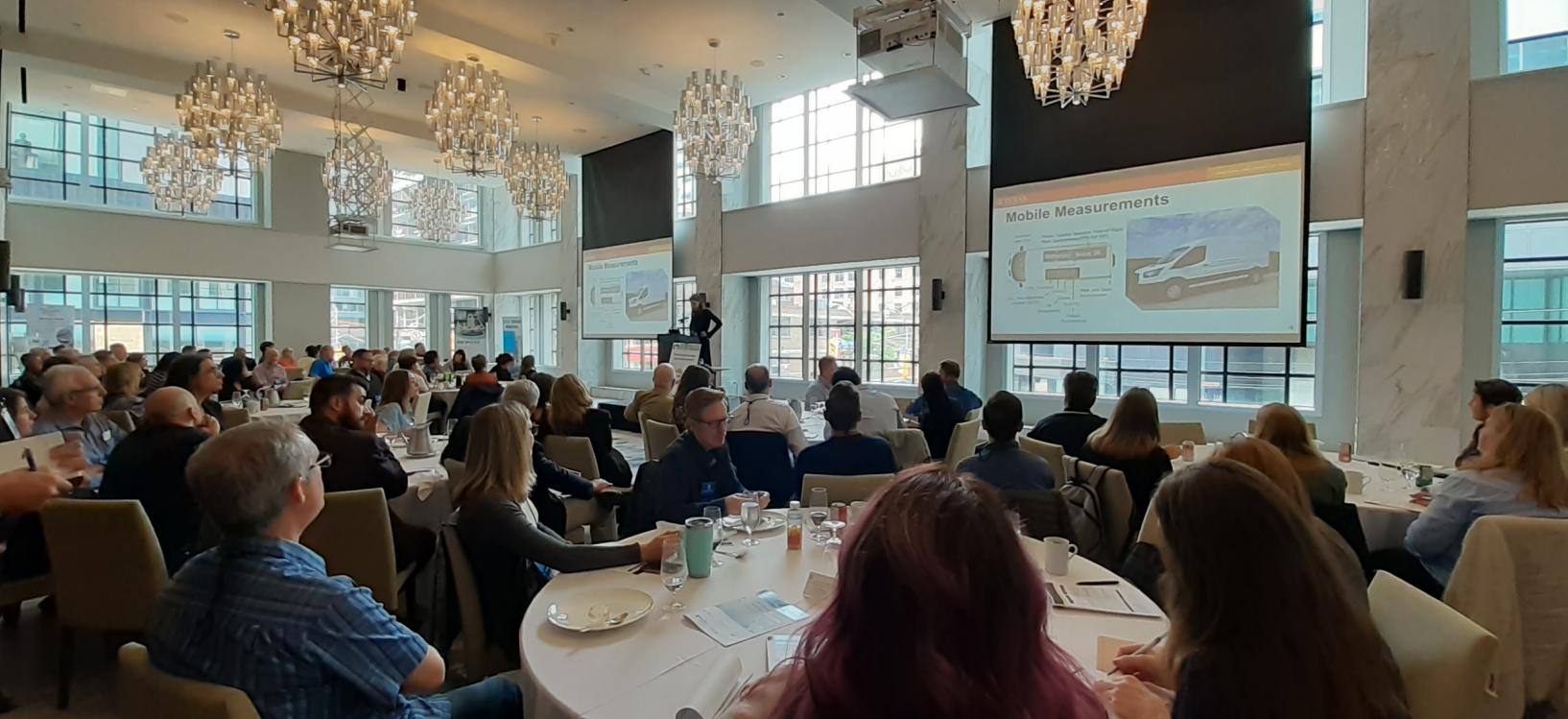 |
| A&WMA's first specialty conference on the topic of odour science in Toronto |
Also in May, a surprising piece of news was the announcement of Lakes Environmental Software's acquisition of the CALPUFF atmospheric dispersion modelling system from Exponent. You may not know that the company Exponent expressed its desire in different forums to look for a new owner of the CALPUFF model. You also may not know that some members of the old ASG group had some meetings for months, and the National Park Service USA (NACA) was in the pipe to host the model. Things like migrating the code to GitLab, dropping the copyright license and adopting a GPL-like license were some of the items discussed by this group. However, in an unexpected turn of events, the company Lakes Environmental announced its acquisition. What happens next remains to be seen.
The Call for abstracts for the Odour Congress 2025 was also opened in May. This Congress, whose official language is just Spanish, is organised by the International Environmental Association of Odour Managers (AMIGO), with the help of olores.org and other collaborators. The event will be held in Santiago, Chile, next year, 2025, from April 9 to 10.
In June also, Mr Antonsson and his collaborators dropped a bombshell on the waterline of the standard governing dynamic olfactometry with the publication of their paper in Atmospheric Environment. The EN 13725 standard assumes that assessors' sensitivity to 1-butanol is transferable to other odours. However, the study revealed that this sensitivity transfer is not valid for other odorants, calling into question the uniform application of the standard.
In July, we organised our third "Odour Talks 2024". This session featured two distinguished speakers: Emilie Briggs, from the Wood Buffalo Environmental Association (WBEA), who discussed the Community Odour Monitoring Program (COMP) in the Athabasca Oil Sands Region. Hugo van Belois, an environmental engineer with over 30 years of experience, spoke about the search for an odour policy that integrates all FIDOS factors to describe odour nuisance on a local scale and the current challenges and developments in the Netherlands' odour policy.
Also in July, the revised European Industrial and Livestock Rearing Emissions Directive 2024/1785, also called IED 2.0 was published in the EU Official Journal and it came with some provisions regarding odour impact. In particular, this directive came with three small provisions on this issue.
The developers of the GRAMM/GRAL model announced the release of version GRAL 24.04 in July. As many of you know, we are talking about a Lagrangian dispersion model extensively used for simulating odour dispersion. A significant fix in version 24.04 addressed an issue that caused incorrect concentration calculations within buildings.
The UK-based company South Coast Science Limited, that worked with air quality monitoring technology, officially announced that it ceased trading in July 2024, entering into insolvency.
The month of August began with the sad news of the death of Joseph (Joe) S. Scire, who was the head of the Atmospheric Studies Group (ASG), a core part of the company Sigma Research Corp (SRC).
The CALPUFF model was originally developed by the SRC in the late 1980s under contract with the California Air Resources Board, and it was first issued in 1990. SRC subsequently became part of Earth Tech, Inc., then this business unit was bought by Exponent and, as mentioned before, in June the ownership of the code moved to Lakes Software.
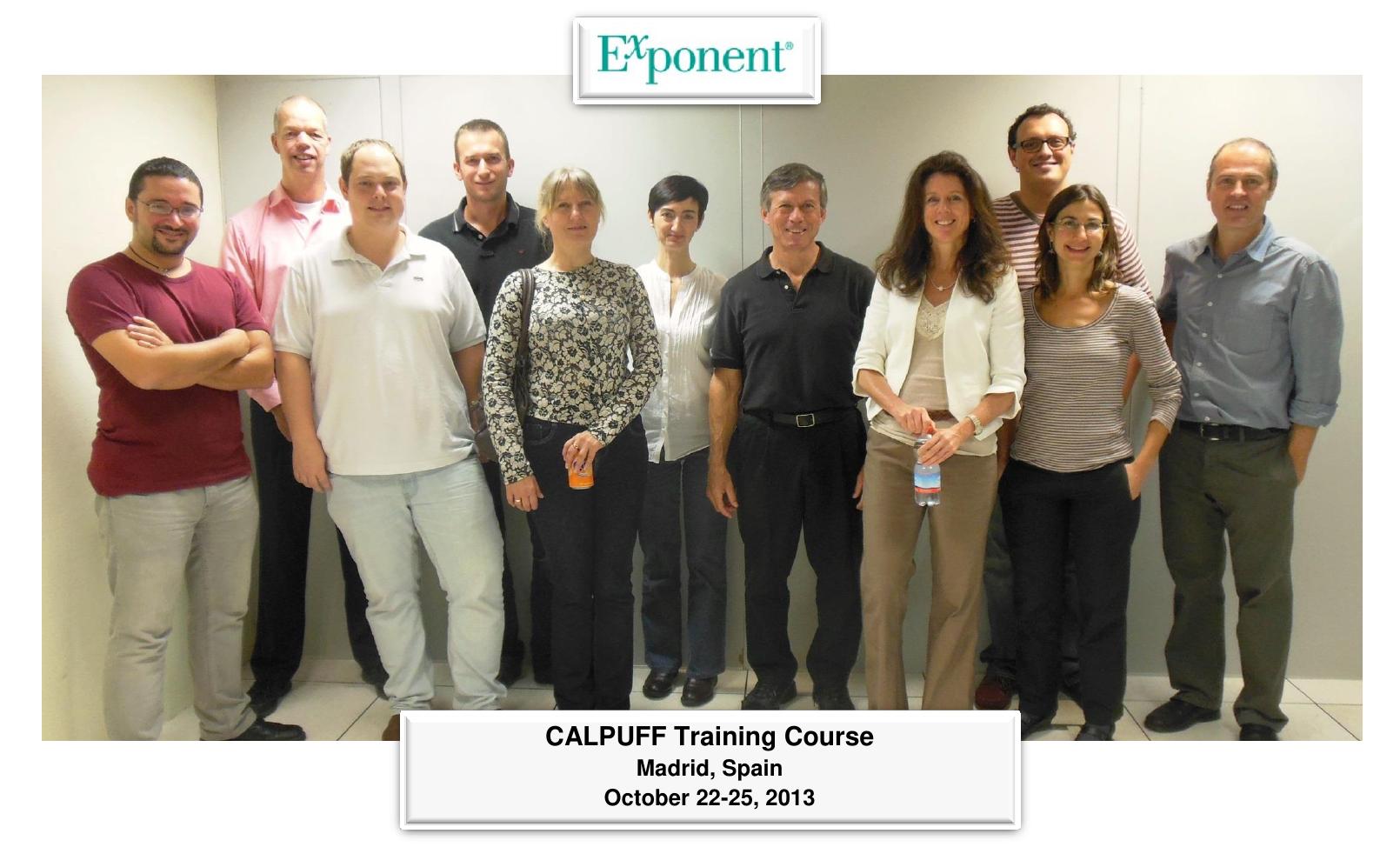
Joe was an incredible person. In 2013, we organised a CALPUFF training course with him and Jennifer Barclay in Madrid and another one a year later in Chile. Not long after that course in Chile, Joe, a long-distance runner for years, ran his last marathon in Chicago. Not far from the finish line, Joe suffered a cardiac arrest that resulted in a significant brain injury and he never recovered from that. Jenniffer Barclay paid a moving tribute to him at the last CASANZ conference in Hobart. Rest in peace, Joe.
 |
|
CALPUFF course Madrid. Year 2013. |
At the end of August, the 27th CASANZ International Clean Air and Environment Conference was held alongside the 10th Odours and Air Emissions Conference in Hobart, Australia. Organised by the Clean Air Society of Australia and New Zealand (CASANZ) in collaboration with the International Water Association (IWA), the event featured over 110 presentations covering a wide range of air quality and odour management topics through parallel sessions. The editor of this website got a lifetime membership in CASANZ and learned about the fantastic professionals you find around that part of the world.You may enjoy this funny podcast recorded during those days.
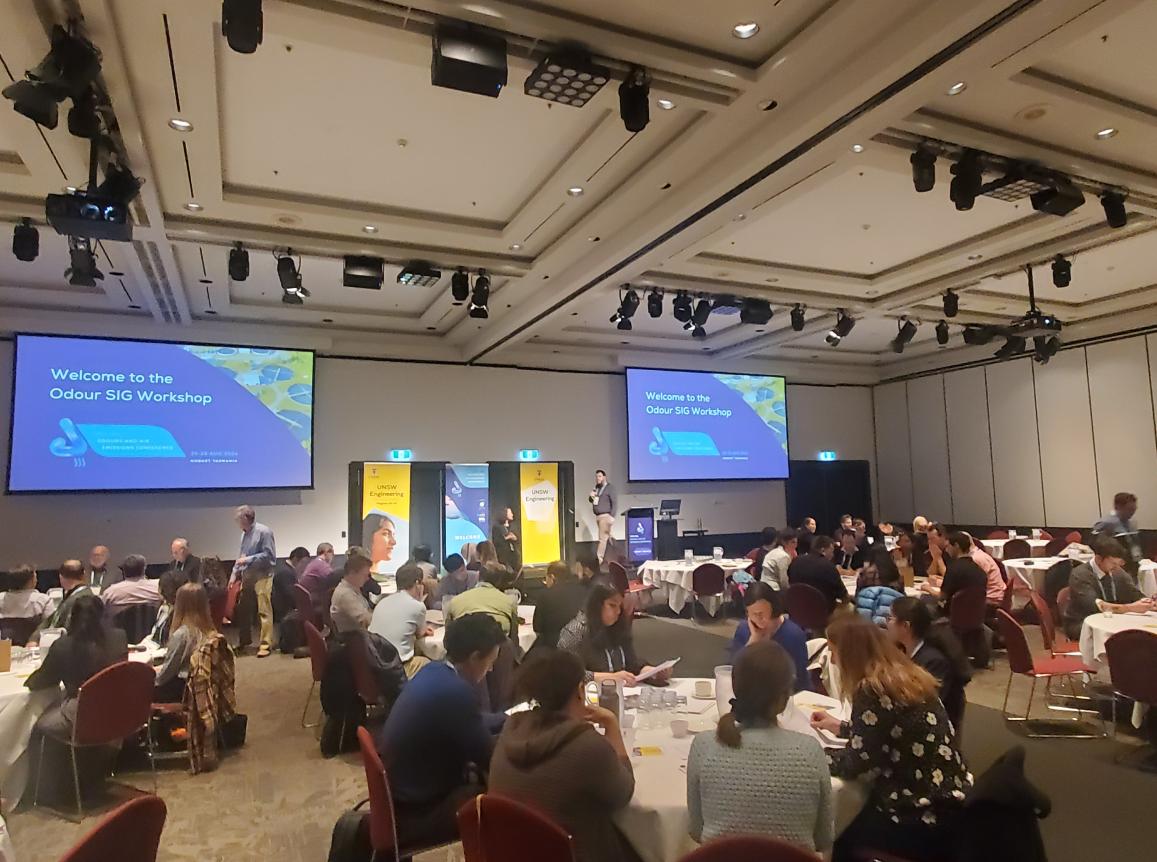 |
| CASANZ and IWA conference in Hobart. |
In September, the Environment Protection Authority (EPA) Victoria officially published the update of the Separation Distance and landfill buffer guidelines. These are two very important documents that are aimed to town planners, industrial and residential developers and industrial contractors.
The latest update to the ASTM E544 standard was also published in September as ASTM E544-24. This update revised the previous ASTM E544-18 standard. The most important changes to this revision was opening up the language of the standard to allow for other reference chemicals to be chosen. n-butanol is provided as an example with long history of use, but the standard was edited to be clear a group could choose and use a different reference with certain considerations.
The well-known International Conference on Environmental Monitoring of Odours and VOCs, the NOSE2024, organized by AIDIC took place in September, in Naples, Italy, As always, this event brought together Europe's leading experts in odour management to discuss the latest developments in odour management. This biennial conference kicked off in Rome in 2008, and ever since, it’s been a must-attend event for us. This year the whole olores.org team was able to enjoy this wonderful event.
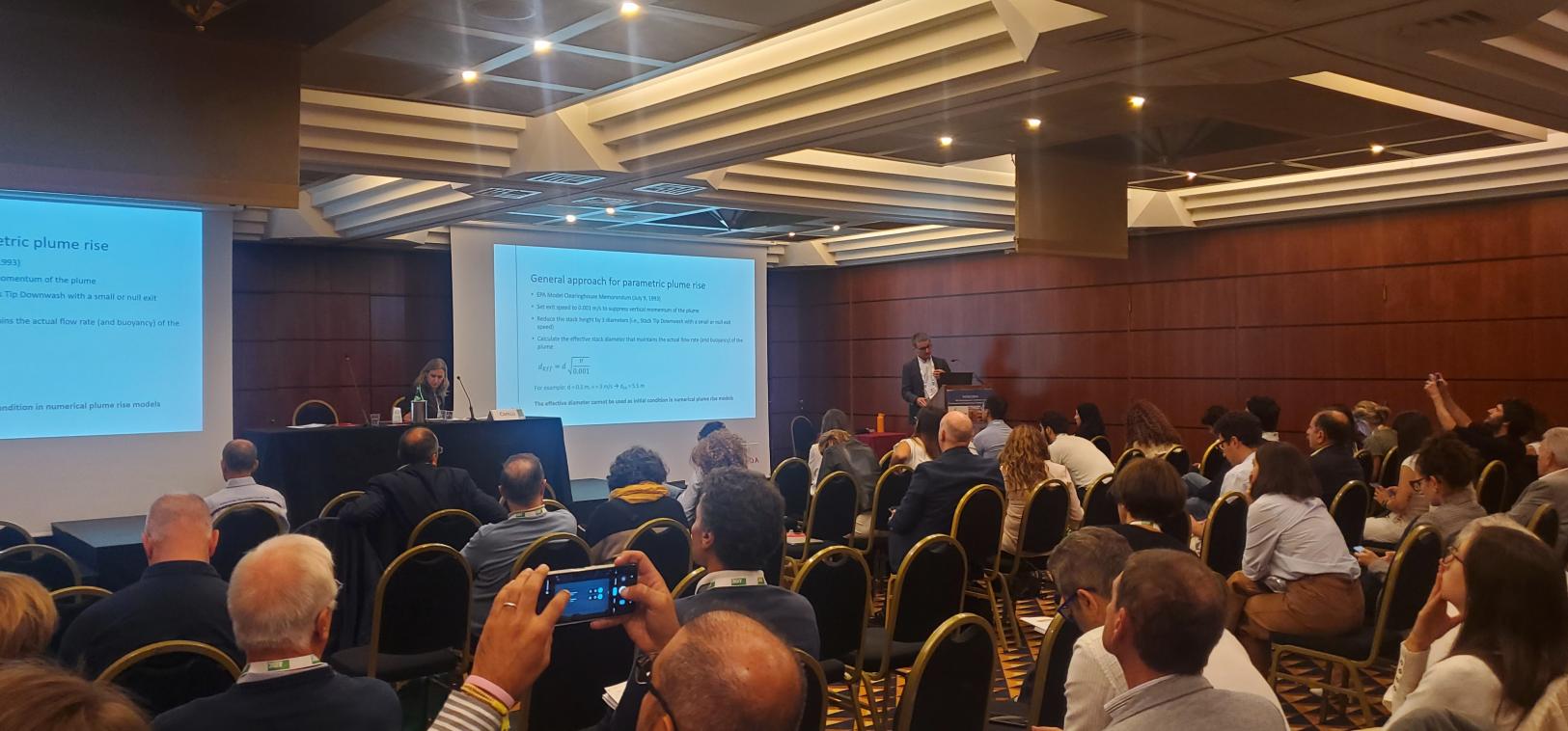 |
| NOSE2024 in Naples, Italy. September 2024 |
Also in September, Uganda enacted its first National Environment (Air Quality Standards) Regulations, establishing guidelines for managing air pollution and odour emissions to protect public health. This is the first regulation in Africa regarding odour management that we know of.
In October a new book on Odorous Emission Control: Monitoring and Abatement was published. This book is edited by Mr Marzio Invernizzi, an assistant professor at the Department of Chemistry, Materials and Chemical Engineering "Giulio Natta" of the Politecnico di Milano University (POLIMI). This book is the most up-to-date compendium of the many tools available for odour management.
The conference Air & Odour Symposium (SAOM2024) happened in Montreal, Canada, from October 23 to 24. We cannot say much about this event because we were not there.
In October we published the preliminary brochure for the new edition of the International Congress on Odours in the Environment, OLORES'25, to be held in Santiago, Chile, organised by the AMIGO association with the support of the Olores.org website and other collaborators. In October also, we published that the we were helping to organize another conference in Medellin, Colombia, just a week before the conference in Chile.
In October, the last version of the software TANKS was released with important updates. TANKS, Version 5.1 is a browser-based application that estimates volatile organic compound (VOC) and hazardous air pollutant (HAP) emissions from fixed- and floating-roof storage tanks.
ODORA24, our conference, took place on the 5th and 6th of November in Bilbao, Spain and was a complete success. 125 people from 9 countries attended this conference, and we are very grateful for that.
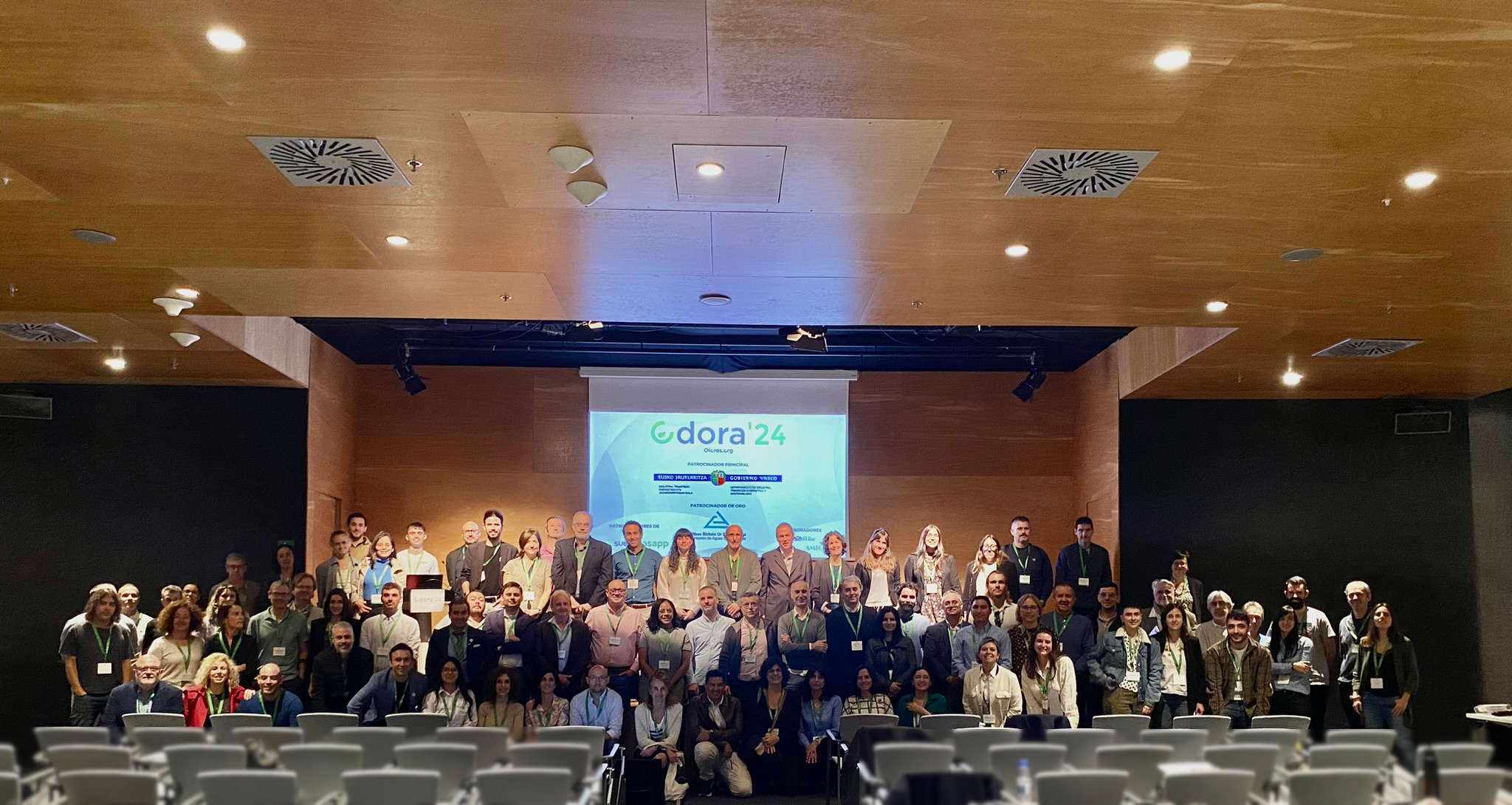 |
| ODORA24 conference in Bilbao |
Over these two days, we learned a lot, made several new contacts, talked, laughed, and also shared some moments of sadness. We had breakfast, lunch, and dinner with friends, and a group of us went for a run. Some colleagues were able to enjoy a visit to a nearby fishmeal plant. So all in all, we had fun. We will be publishing the different papers presented at the conference over the coming months. So far we have published this one, this one and this one.
Also in November, the European Parliament published the new Air Quality (AQ) Directive in the European Journal. This regulation applies to 32 countries under the European Environmental Agency (EEA) umbrella. Unfortunately, the odour is not even mentioned in this ambient air regulation. Therefore, European citizens and European industrial organizations are again left unprotected.
Also this month, The GRAL Dispersion Model/GUI was updated to version 24.11, with several new features and critical bug fixes. This release brought enhancements designed to improve user experience and functionality.
December always starts for the odour managers with the Odour Day which takes place on the 2nd.
In December also, the Odour Group (GO) of the Spanish Association of Water Supply and Sanitation (AEAS) published the much-awaited study on the state of odour management in Spain's urban wastewater infrastructure. The aim of this study, based on a similar one carried out by WEF a few years ago, was to evaluate the different aspects related to the cost of odour management. This evaluation was carried out through the analysis of 400 responses received from operators and managers of plants, in which they were asked for data such as the odour control systems used, operational and maintenance costs, the economic cost of managing odour-related incidents, and design costs.
Also in December, the 8th World Congress of the Digital Olfaction Society took place in Tokyo, Japan. If you want to know more about this event, many interesting updates have recently been published on their website and LinkedIn page.
And here is our summary of the year 2024. We hope you’ve enjoyed reading it as much as we’ve enjoyed writing it. If you want to stay up to date with odour management, as we always say, the best way is to subscribe to our monthly newsletter.
We wish you all the best for the year ahead, 2025. During this festive season, don’t forget to spend quality time with your loved ones. Put odour management aside for a few days and be there for those who truly need you. That way, you’ll breathe in some fresh air and start 2025 with all the energy you can gather. Sheers!
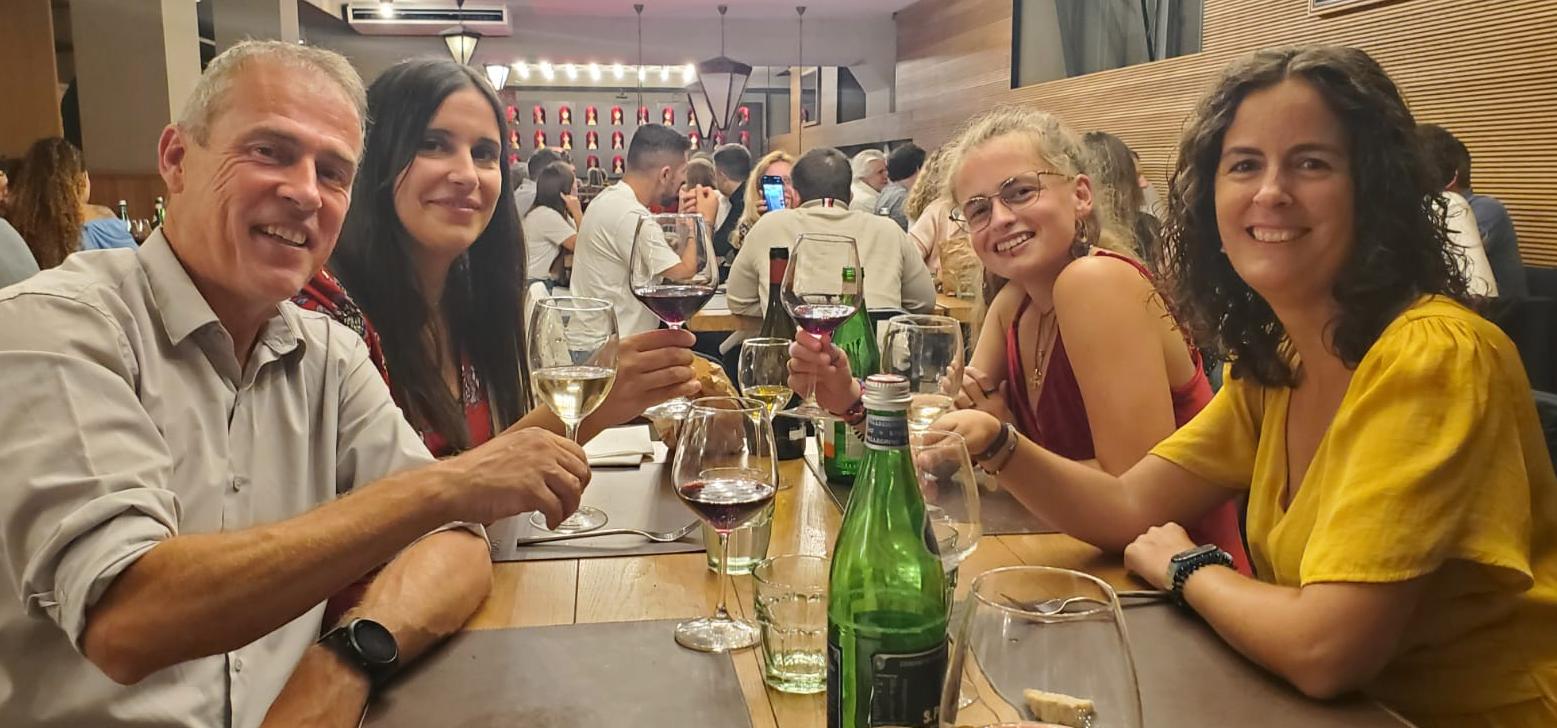 |
| Ambiente et Odora team |
If you find this article interesting, you might be also interested in these articles:
- What happened in the odour management world in 2023
- What happened in the odour management world in 2022
- What happened in the odour management world in 2021
- What happened in 2020 in the odour management world
- What happened in 2019 in the odour management world
