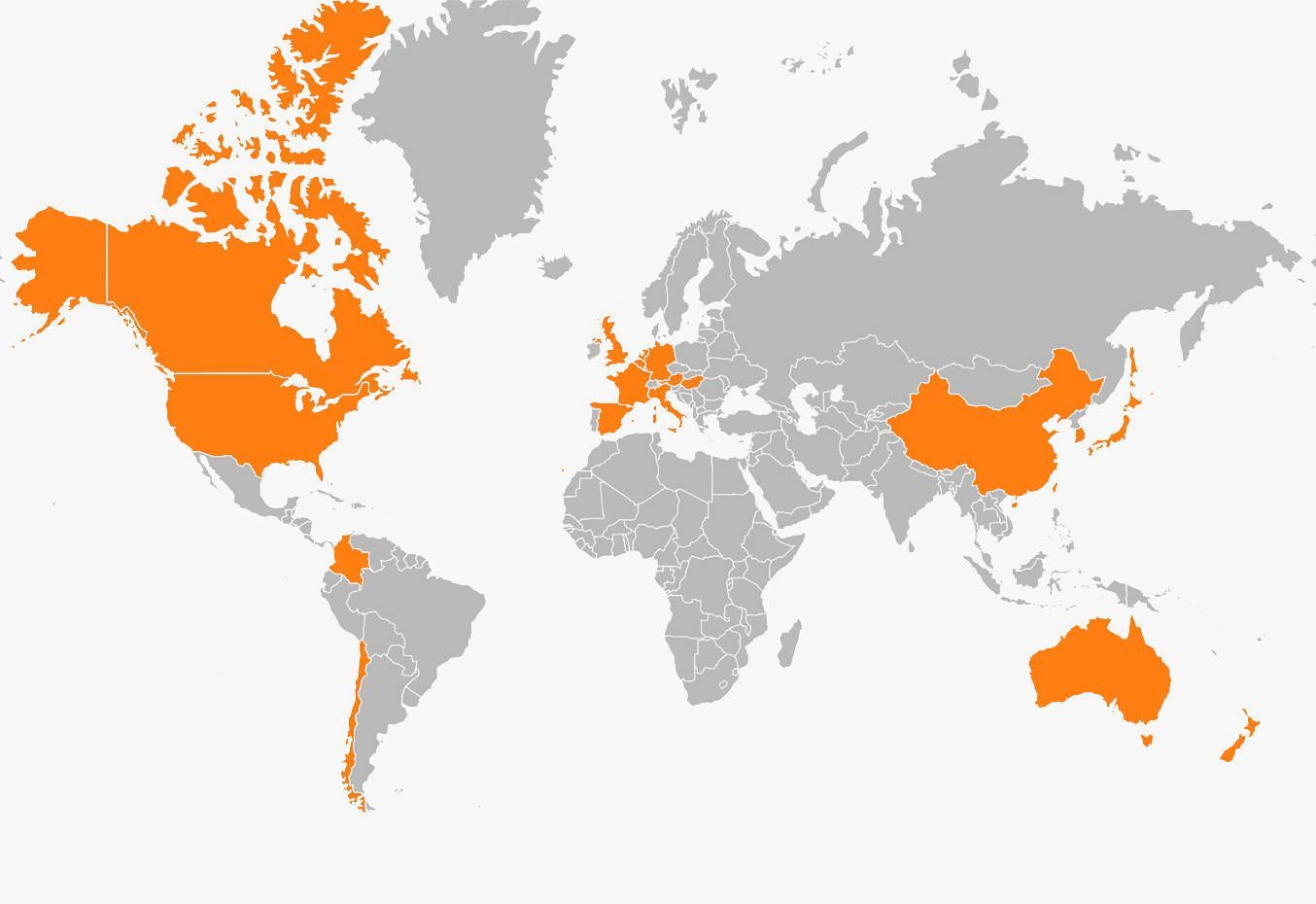
In this paper we will try to introduce some of the information that a group of 14 experts from different countries is discussing regarding odour regulations.
The aim is to publish the first critical review over odour legislation in several parts of the world, analysing not only from a descriptive way any single regulation, but also from a critical point of view. This review will try to identify points to improve and will offer alternatives to some common issues when dealing with regulating the odour impact. The final paper will be published in a Journal not determined yet.
Anna BOKOWA 1, Carlos DIAZ 2*, Jacek A. KOZIEL 3, Michael McGINLEY 4, Jennifer BARCLAY 5, Günther SCHAUBERGER 6, Jean-Michel GUILLOT 7, Robert SNEATH 8, Laura CAPELLI 9, Vania ZORICH 10, Cyntia IZQUIERDO 2, Ilse BILSEN 11, Anne-Claude ROMAIN 12, Maria del Carmen CABEZA13
1 EOC Environmental Odour Consulting Corp., Oakville, ON, Canada,
2 Olores.org, Bilbao, Spain
3 Iowa State University, Department of Agricultural and Biosystems Engineering, Ames, Iowa, EEUU
4 St.Croix Sensory Inc., Stillwater, MN, EEUU
5 Independent Consultant, Remuera, Auckland, New Zealand
6 WG Environmental Health, Unit for Physiology and Biophysics, University of Veterinary Medicine, Vienna, Austria
7 Ecole des Mines d’Ales, LGEI, Alès cedex, France
8 Silsoe Odours Ltd., Silsoe, Bedford, Bedfordshire, UK
9 Politecnico di Milano, Dipartimento CMIC “Giulio Natta”, Milano, Italia
10 The Synergy Group, Ecometrika, Santiago, Chile
11 VITO, Flemish Institute for Technological Research, Mol, Belgium
12 University of Liege, Arlon, Belgium
13 Ministerio de Ambiente y Desarrollo Sostenible – Dirección de Asuntos Ambientales Sectorial y Urbana – Colombia
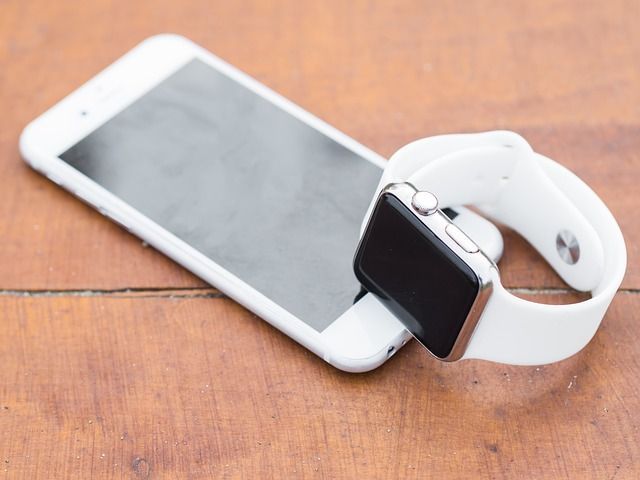 The ASTM Committee E18 on Sensory Evaluation of Materials and Products has decided to begin developing a new standard for the sensory evaluation of small devices. This guideline is developed by the Subcommittee E18.07 on Personal Care and Household Evaluation and it is intended to be limited to products that are handheld and wearable devices.
 This article analyses whether the current legislation on environmental authorisations of industrial activities allows the administrations to deal with the problem of odours.