There is no translation available.
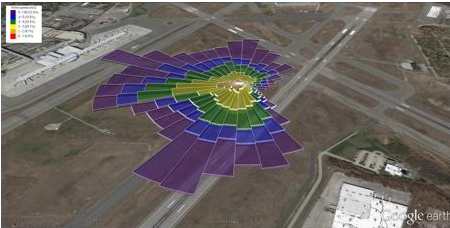
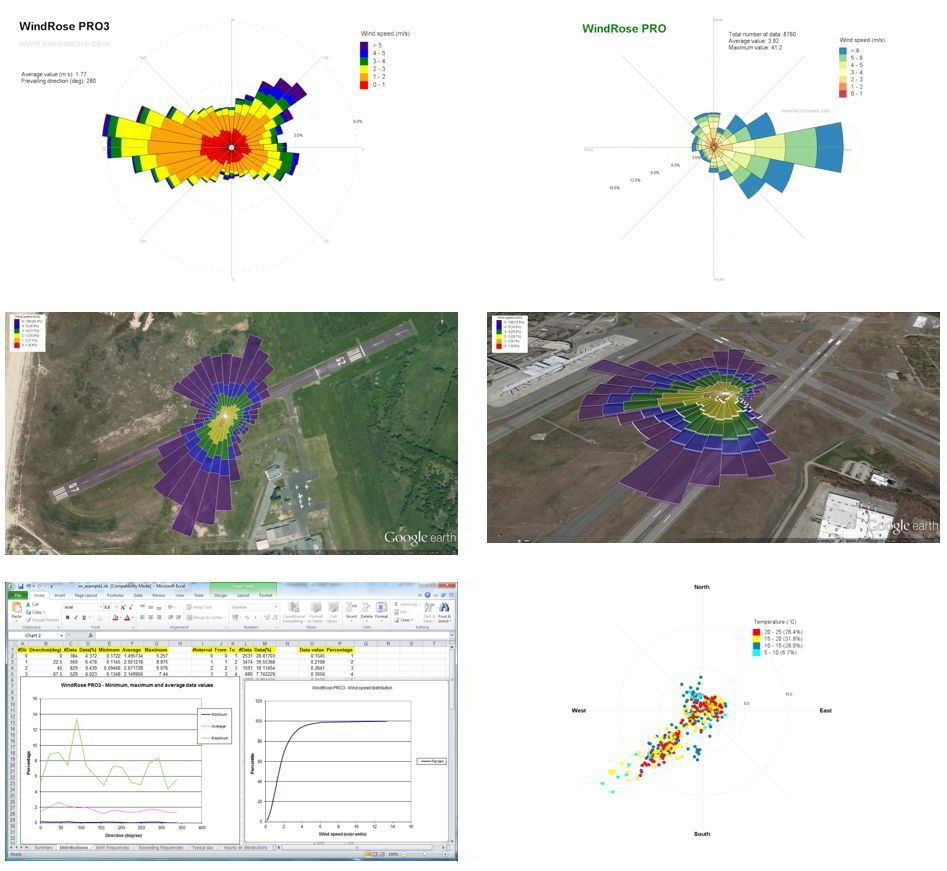 A fundamental operation performing odor impact assessment is the analysis of meteorological data, particularly wind direction and speed. Such an analysis allows for example to evaluate the number of calms, which may give raise to high concentration values, and to spot possible errors in meteorological data before using them in an atmospheric dispersion models. Moreover, the determination of the prevailing wind direction allows to understand if possible sources are generally upwind of the potential receptors.
Software tools capable to visualize the wind data easily and in a very short time are therefore very important, because they allow to perform quality assurance before using the data in dispersion simulation models.
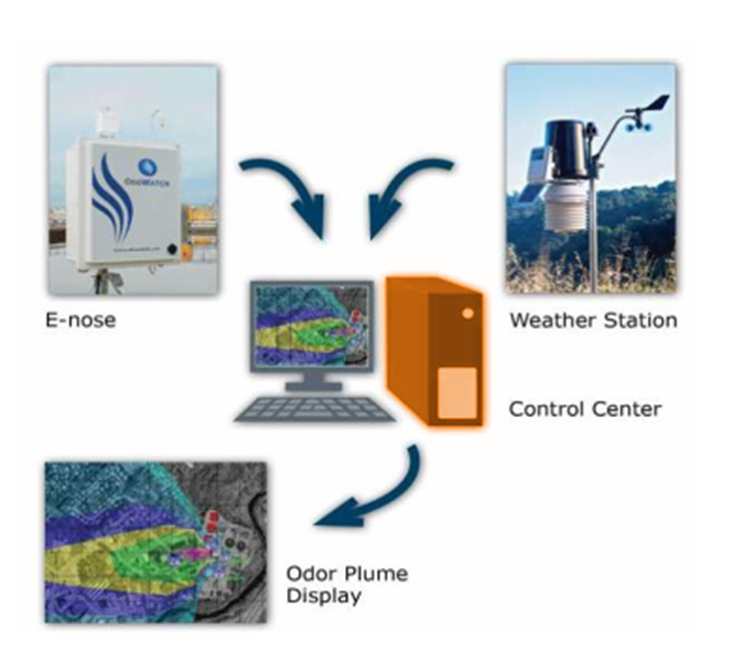 The Everett – Marysville area has a complex olfactory landscape. Several industrial and municipal activities located nearby generate odors that could, in some operational and meteorological circumstances, be perceived by the surrounding communities. Amongst the sources of odor generation, there are a number of contributors including: a composting plant, top soil facility, a wood yard and chip processing, landfill and 3 WWTP.