There is no translation available.
 The odor emissions from environmental facilities (composting plants, EDARs, rendering…) are a frequent cause of nuisance in their surroundings which are given ever increasing attention. Therefore, stringent ambient air odor level requirements are being implemented worldwide which the conventional treatment technologies (such as scrubbers, conventional biofilters) are often unable to achieve.
In order to overcome these limitations, high capacity odor reduction technologies have been developed (such as Advanced Biofilters or Thermal Oxidation), which are already working in different real applications. In this work, the performance of 4 Advanced Biofilters treating COV and odor emissions has been evaluated.
Daniel Almarcha 1*, Sílvia Nadal 2, Arne Poulsen 3
1. Ambiente y Tecnología Consultores S.A. C\Còrsega 112, local 1. 08029 Barcelona.
2. Sistemas y Tecnologías Ambientales S.A. C/Còrsega 112, local 1. 08029 Barcelona
3. BBK-bio airclean A/S, Linnerupvej 5, Hjortsvang, DK-7160 Tørring, Denmark
E-mail: dalmarcha@sta-at.com. Tel.: +34 932 53 07 40
 The Interlaboratory Comparison for Olfactometry (ILC) based on EN 13725:2003 has been announced for 2016 and the company Olfasense is behind the organization. The proficiency tests allow laboratories to demonstrate compliance with its performace requirements and compare the performance of their laboratory internationally.
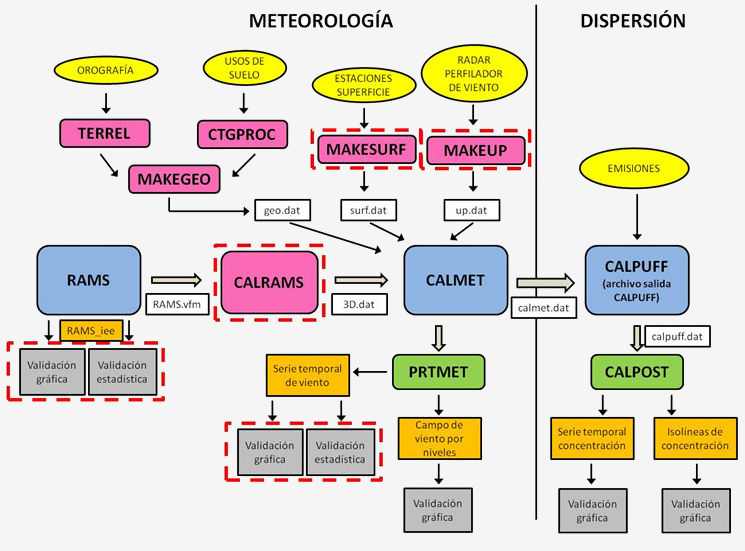 The current problems in relation to odor pollution episodes make it necessary to have methods to assess odor impacts. Such assessment can be performed using dispersion models that allow to estimate odor concentrations considering the emissions, the meteorology and the topography, among other data.